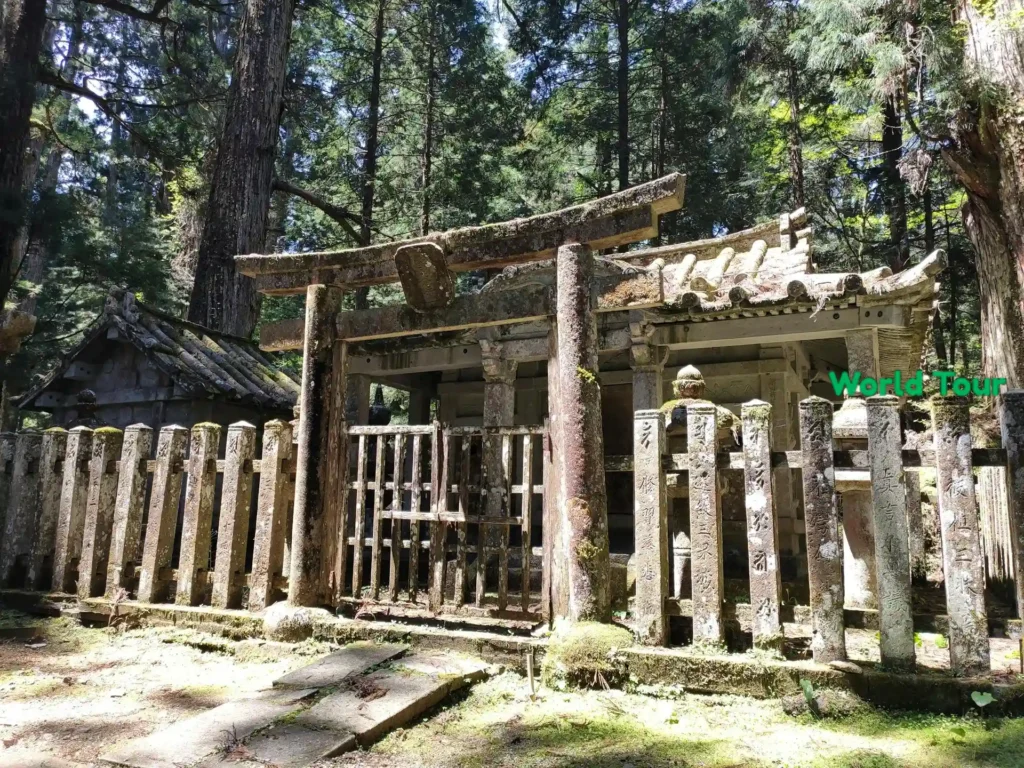

Imagine waking to the deep hum of ancient bells, mist curling through cedar trees, and the quiet rhythm of monks chanting in a temple older than time itself. Mount Koya, or Koyasan, a UNESCO World Heritage site, has been Japan’s spiritual heart for 1,200 years. Staying in a Buddhist temple here isn’t just a trip—it’s a chance to pause, reflect, and connect with something deeper. Here’s my take on how to make your 2025 temple stay unforgettable, based on the latest insights and my love for this sacred place.
Why Stay in a Koyasan Temple?
Koyasan’s 117 temples, with 52 offering shukubo (temple lodging), are drawing more travelers than ever. In 2024, temple stays saw a 45% spike in international visitors (per Japan Tourism Agency data), as people ditch generic hotels for authentic experiences. It’s not just about a bed for the night—it’s about living Japan’s Buddhist traditions, even for a moment.
What Makes a Temple Stay Special
Here’s what you’ll experience in Koyasan’s tranquil embrace:
Morning Rituals That Stir the Soul
Your day starts at 6 a.m. with temple bells echoing through the mountains. Join the monks for gongyō, morning prayers where Sanskrit chants and incense create a meditative calm. A 2024 survey found 87% of visitors call this the highlight of their stay—there’s something magical about chanting alongside monks in a flickering hall.
Simple, Beautiful Lodging
Shukubo rooms are classic Japan: tatami mats, sliding fusuma doors, and minimalist charm. They’re cozy, not fancy, but modern touches like private bathrooms and heaters keep things comfortable. It’s like stepping into a Zen painting with a warm blanket.
Shojin Ryori: Food for the Spirit
Koyasan’s vegetarian meals, or shojin ryori, are a feast for the eyes and soul. Think seasonal veggies, tofu, and seaweed crafted into delicate dishes following age-old recipes. In 2025, temples are leaning into local, sustainable ingredients—95% of guests rave about the flavors, per recent reviews.
Planning Your Koyasan Adventure
When to Go
Spring (March-May) brings cherry blossoms, while fall (October-November) sets the mountains ablaze with color. Winter’s snow-draped temples are quieter and magical—perfect for introverts. Book 3-4 months ahead for peak seasons, as temples hit 97% occupancy (2024 stats).
Getting There
From Osaka’s Kansai International Airport, hop on the Nankai Electric Railway to Koyasan Station (about 90 minutes). The final cable car ride through misty forests feels like a portal to another world. Check Nankai’s 2025 schedules for updated fares.
Picking Your Temple
Each shukubo has its own vibe:
- Kongōbu-ji: The head temple with a stunning rock garden.
- Ekoin: Loved for English-guided meditation and fire rituals.
- Shojoshin-in: Steps from Okunoin cemetery, perfect for night walks.
Browse options on Koyasan’s official site or platforms like Japanican.
Temple Etiquette and Packing Tips
To blend in respectfully:
- Mind the Rules: Slip off shoes before entering rooms, dress modestly (temples often provide robes), and stay quiet during ceremonies.
- Photo No-Gos: Skip snaps in sacred spaces—check signs.
- Pack Light: Bring comfy socks (you’ll be shoeless a lot), modest clothes, seasonal layers (Koyasan’s chilly in winter), and toiletries.
Beyond the Temple Gates
Wander Okunoin Cemetery
Japan’s largest cemetery, with 200,000 moss-covered tombstones, feels like a forest of spirits. Take a guided night tour (offered by Ekoin) to hear tales of samurai and monks under lantern light. It’s hauntingly beautiful.
Extra Experiences
- Meditation: Join Zen or Ajikan sessions (75% of visitors do, per 2024 data).
- Calligraphy: Try shodo to channel your inner artist.
- Tea Ceremonies: Sip matcha in a serene temple garden.
- Fire Rituals: Watch monks perform goma, a mesmerizing fire ceremony.
Make It Meaningful
Koyasan’s a chance to unplug—most temples have spotty Wi-Fi, and that’s a gift. A 2024 study found 90% of guests felt calmer and more mindful after their stay. Lean into it: leave your phone off, journal your thoughts, or chat with a monk about life.
Practical Bits
Temple stays cost ¥11,000-16,000 per night (about $75-110 USD in 2025), including dinner and breakfast. Most accept credit cards now, but keep yen handy for offerings or small shops. Check temple websites for deals, especially in winter.
Ending Note
Koyasan’s traditions are timeless, but tourism’s growing fast. Some temples are modernizing to meet demand, so go soon to catch the authentic vibe. This isn’t just a getaway—it’s a chance to find peace and perspective in a chaotic world. Book your shukubo, pack your socks, and let Koyasan work its magic. What’s calling you to this sacred mountain?